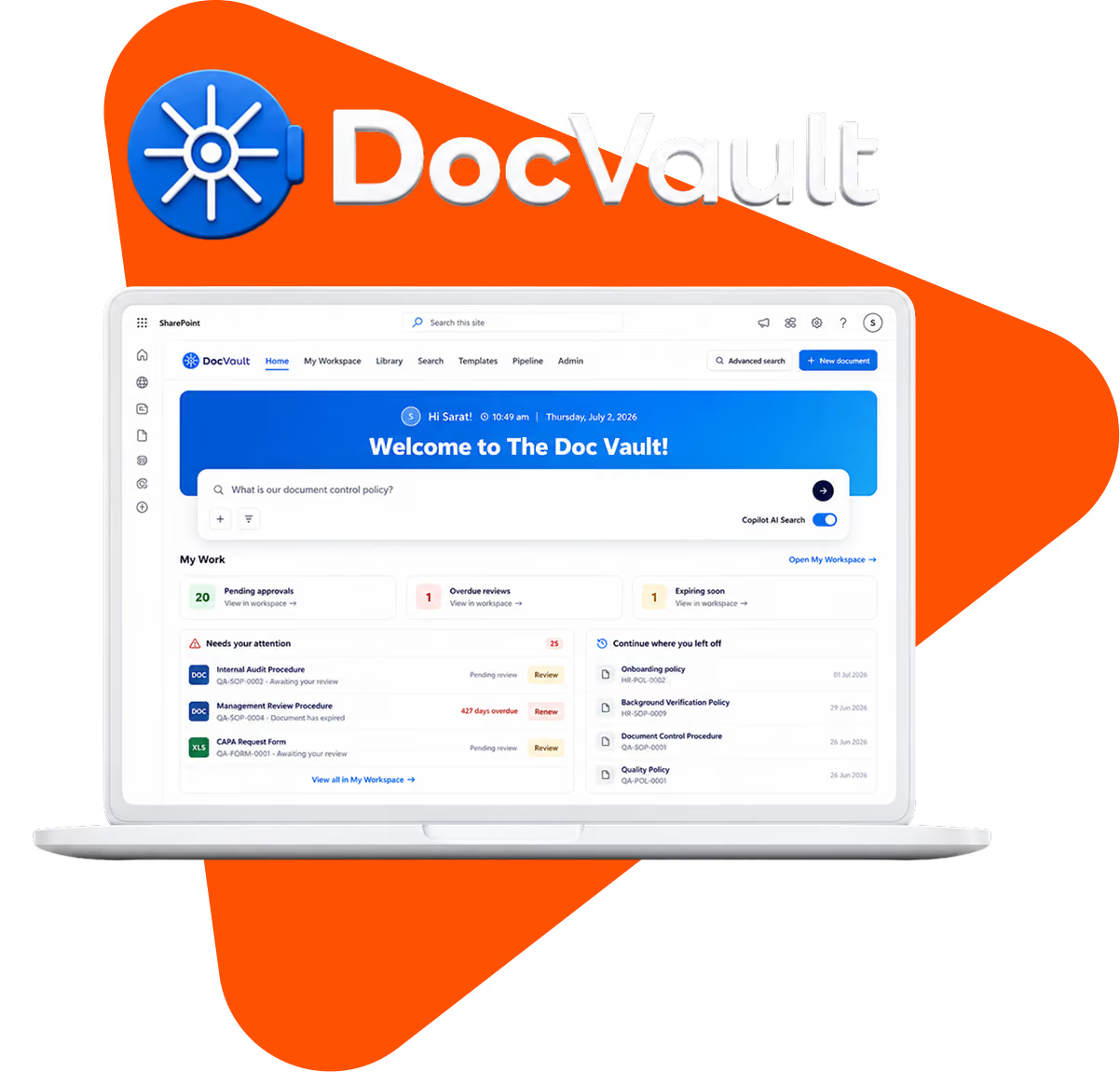
SharePoint Policy Management Software
Every policy current, approved and evidenced inside the Microsoft 365 you already pay for.


The problem is never the writing. It is everything after.
Most organisations write good policies. Then they lose control of them.
A copy lives in SharePoint, another in someone's Teams chat, a third in a folder called Final_v3_APPROVED. Nobody is certain which one is current. The annual review slips because it was in a calendar belonging to someone who left. And when the auditor asks who read the updated safety procedure, the honest answer is that nobody knows. None of this is a writing problem. It is a lifecycle problem, and SharePoint on its own does not solve it.
What SharePoint does and does not do for policies
Worth being straight about this, because it determines whether you need us at all.
SharePoint already handles
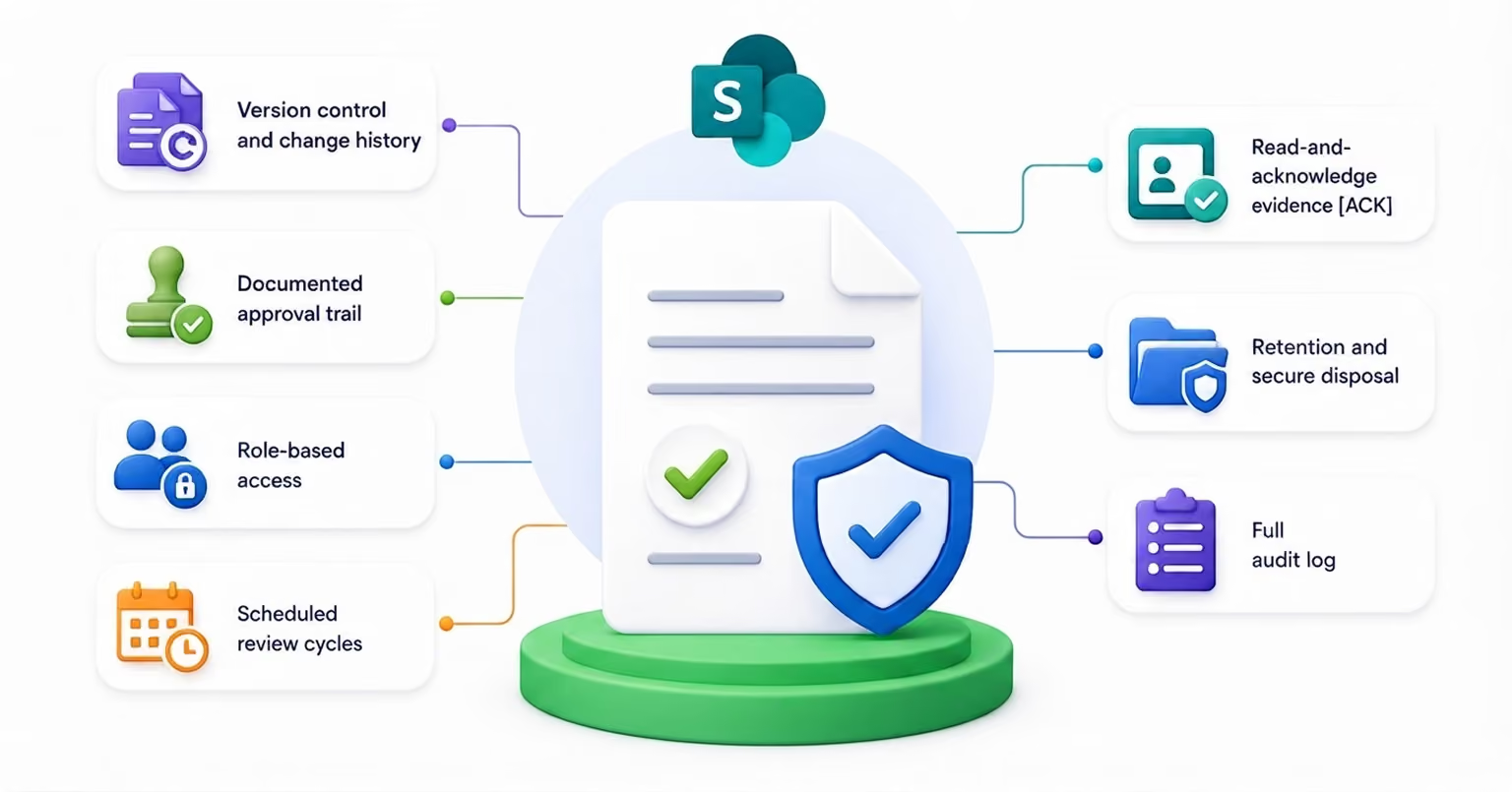
Central storage with version history. Permissions by role. Full-text search. Retention through Microsoft Purview. Basic approval via built-in Rules or Power Automate.
SharePoint does not handle
Automatic policy numbering. Scheduled review cycles with warnings before expiry. A single view of what is approved, in draft, or overdue. Multi-stage approval with escalation when someone sits on it. Reporting an auditor will accept without a spreadsheet.
If your policy set is small and stable, configure SharePoint and save your money. If you are managing dozens of policies across departments with a regulator watching, the gap is where the risk lives.
For a true document management system, you need purpose-built controls for policy lifecycle, review, approval, and compliance tracking.
.avif)









.svg)