Published Date -

5 Things to Avoid When Using a Team Messenger at Work
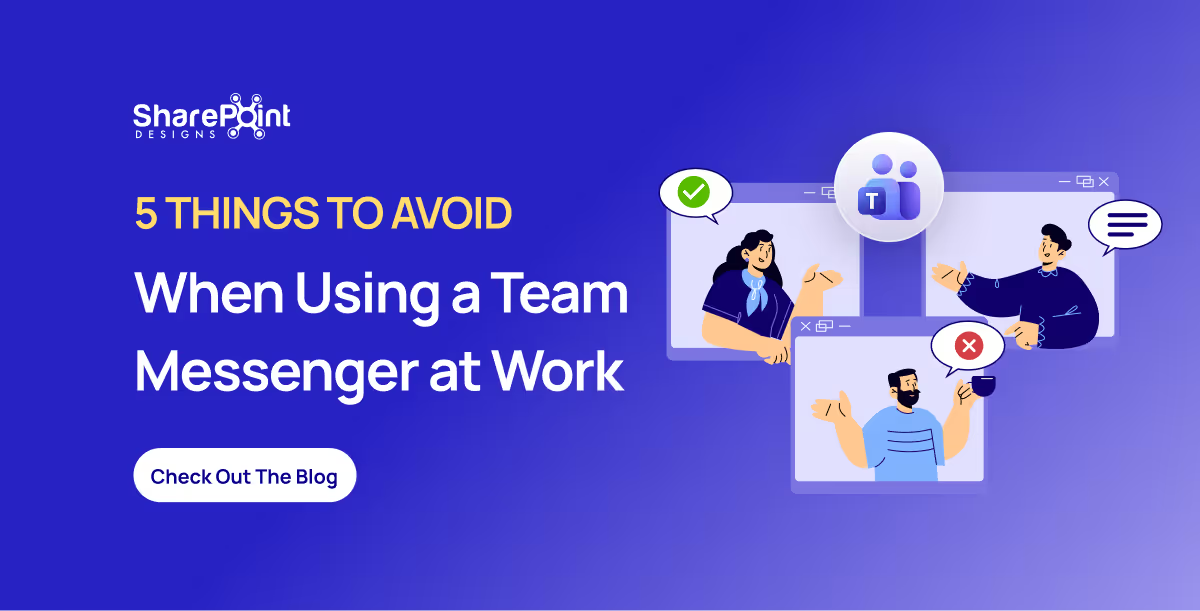
Team messaging tools like Slack, Flock, and Microsoft Teams have completely transformed workplace communication. Quick decisions, brainstorming sessions, and urgent problem-solving now happen in real timeoften within minutes.
But while team messengers improve speed and collaboration, they also come with a challenge: poor messaging etiquette can quickly lead to confusion, distractions, or awkward situations at work.
To help you communicate more effectively, here are 5 things to avoid when using a team messenger in the workplace.
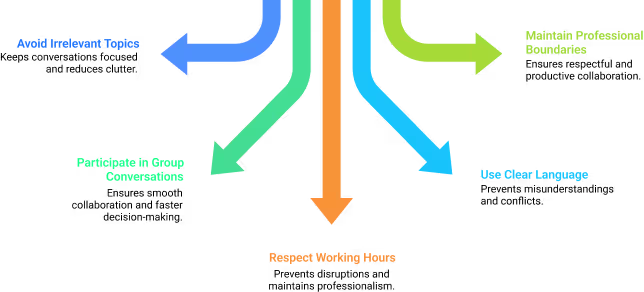
1. Don’t Bring Up Irrelevant Topics
One major advantage of team messengers is instant access to colleagues. However, this convenience can quickly become a distraction if conversations drift off-topic.
Avoid:
- Turning work channels into casual chat rooms
- Starting discussions unrelated to the task or agenda
- Letting side conversations grow into long threads
Why it matters:
Irrelevant messages reduce focus and clutter important work-related conversations, especially in busy channels.
2. Don’t Stay Silent in Group Conversations
If you’re part of a team channel, there’s a reason for it. Staying completely silent can slow decision-making and give the impression of disengagement.
Do this instead:
- Acknowledge messages when required
- Share brief updates or feedback
- Ask clarifying questions when needed
Active participation helps teams collaborate better and keeps communication flowing smoothly.
3. Avoid Messaging at Odd or Inappropriate Hours
Team messengers make it easy to contact anyone at any time but that doesn’t mean you should.
Best practices:
- Know the difference between urgent and important
- Respect working hours and time zones
- Use delayed or scheduled messages if available
Unless it’s critical, avoid messaging colleagues late at night or early in the morning. Team messengers are work tools not social chat apps.
4. Be Careful with Your Choice of Words
Written messages can easily be misunderstood. Without tone or facial expressions, even a harmless message can come across the wrong way.
Avoid:
- Informal or inappropriate language
- Messages that sound aggressive or dismissive
- Emotional responses typed in haste
Always read your message once before sending. Professional, clear language helps prevent confusion and conflict.
5. Don’t Get Too Personal
Instant messaging feels informal, which can cause conversations to become overly personal very quickly.
Remember:
- Keep discussions professional
- Avoid personal opinions or sensitive topics
- Stay focused on work-related communication
Maintaining professional boundaries ensures respectful and productive collaboration across teams.
Why Messaging Etiquette Matters?
When used correctly, team messengers improve collaboration, speed up decisions, and reduce unnecessary meetings. When misused, they can become distracting and counterproductive.
Platforms like Microsoft Teams work best when paired with clear communication norms and good etiquette especially in remote and hybrid work environments.
Quick Summary
Using team messengers effectively requires focus, professionalism, and respect for boundaries. Avoid irrelevant conversations, silence, poor timing, careless wording, and overly personal messages especially when using tools like Microsoft Teams for daily work communication.
Explore modern digital workplace solutions that help teams communicate better, collaborate smarter, and stay aligned no matter where they work from.
faqs

Venkatesh Maran

Founder and CEO of SharePoint Designs, a Microsoft ISV with 6 products live on AppSource. We build products that solve the problems Microsoft left on the table. Intranets that people actually use. Document management systems that don't fight your workflows. Knowledge platforms that surface what matters. And now, AI agents built on Microsoft Copilot that take the repetitive work off your team's plate. Every product we build gets designed around your brand, your culture, and how your teams actually work. Trusted by enterprises across 23 countries, primarily in the US and Europe, with deep expertise in SharePoint, Power Platform, Microsoft Copilot, and Microsoft 365. Over 15 years in the ecosystem and still going. Our mission is simple: make work more fun.


.svg)